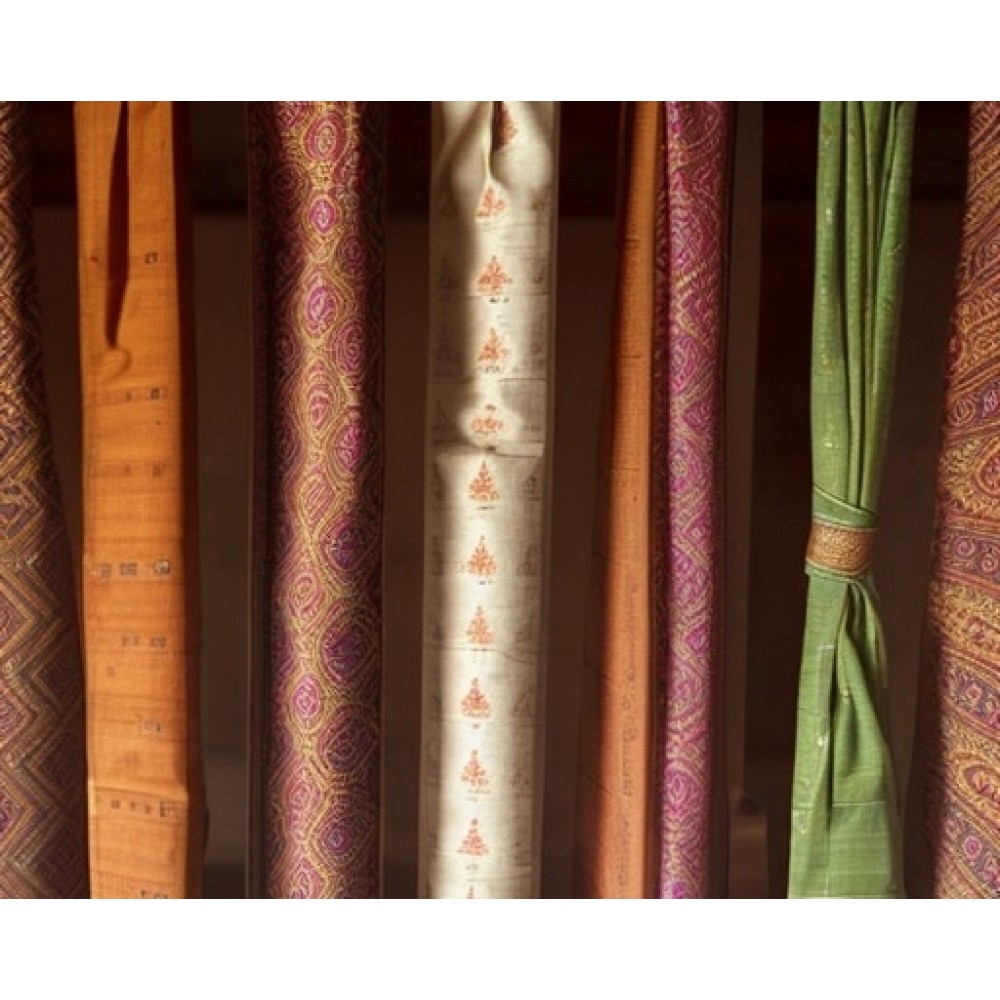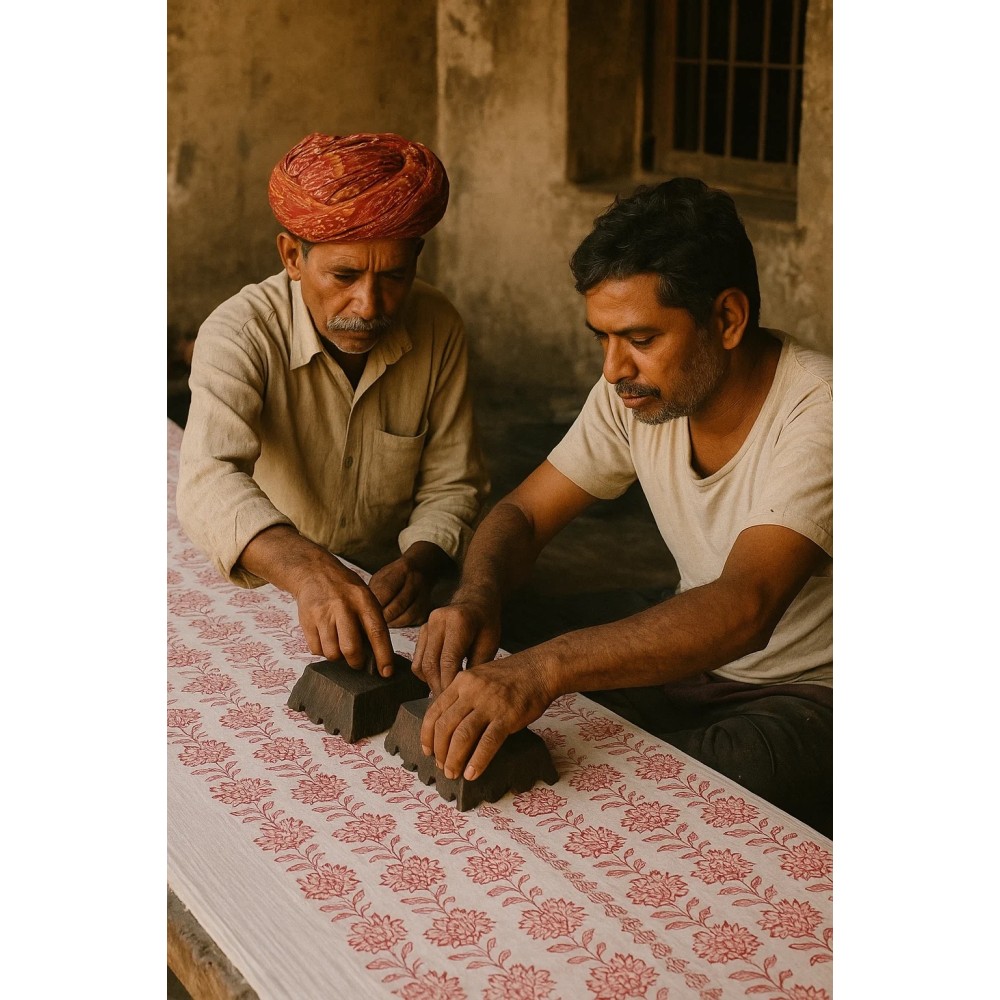

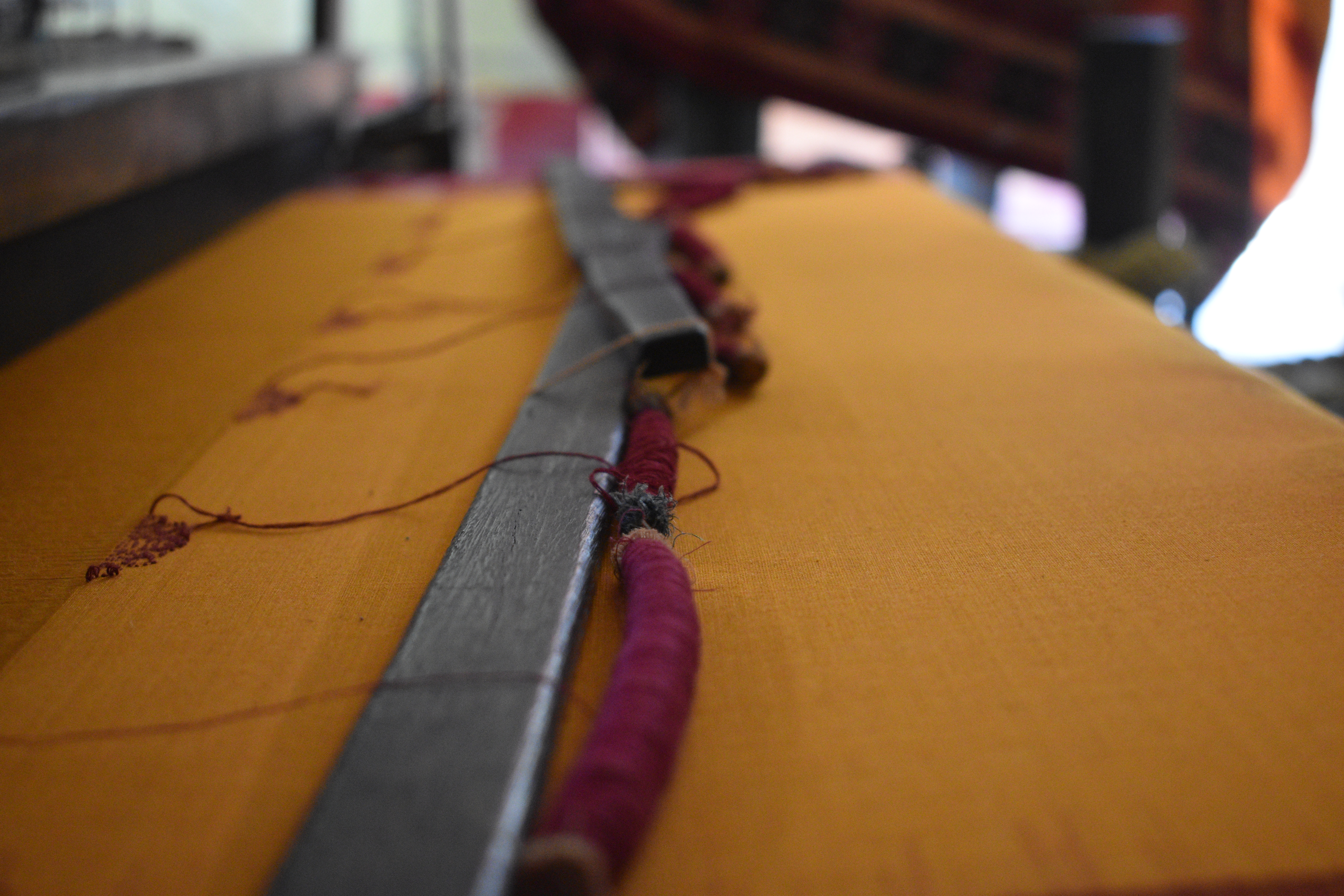
In an age where mass production dominates the fashion industry, the value of something handmade—patiently woven by skilled hands—feels all the more precious. Handloom sarees are not just garments; they are heritage woven into threads, each telling a story of craftsmanship, culture, and tradition.
Yet, for a first-time buyer, distinguishing between a true handloom saree and a machine-made imitation can be challenging. So, how can you be sure you're investing in something authentic?
At Satika, where every saree supports real weavers and sustainable fashion, we believe in educating and empowering our buyers. Here are five essential tips to help you identify a genuine handloom saree.
1. Look Closely at the Weave — Imperfection is Beautiful
The simplest and most beautiful indicator of a handloom saree is its minor irregularities. Handloom weaving is a manual process, so you may notice:
• Slight variations in thread tension
• Tiny knots or loose threads
• Uneven motifs or small asymmetries
These are not flaws—they are proof of human touch, unlike the mechanical perfection of powerloom imitations.
“In a handloom saree, you don’t wear symmetry. You wear soul.”
2. Flip the Saree — The Reverse Side Speaks Truth
A real handloom saree has patterns and motifs that appear almost equally visible on both sides, thanks to techniques like ikat, jamdani, or jacquard. Machine-printed or powerloom sarees usually have the design only on the front, with a plain or faint back.
Tip: Turn the saree inside out. If the design looks consistent and vibrant, it’s likely handwoven.
3. Feel the Fabric — Soft Yet Strong
Handloom fabrics feel alive. They:
• Breathe naturally (no plasticky stiffness)
• Soften with age
• Adapt to the body gracefully
Whether it's Sambalpuri silk, Khadi cotton, or Banarasi silk, the handloom version feels textured yet supple—never synthetic or overly stiff.
4. Ask for the Handloom Mark or GI Tag
To help protect India’s weaving traditions, the government introduced the Handloom Mark and Geographical Indication (GI) tags. These marks authenticate that:
• The product is genuinely handwoven
• It originates from its traditional weaving region (e.g., Sambalpur, Banaras, Kanchipuram)
5. Know the Brand and Their Story
Authentic sellers are transparent. They share:
• Who wove the saree
• Where it came from
• The story behind the weave
Avoid generic or heavily discounted listings with no origin or process mentioned. Trust brands that honor their artisans and explain their methods.
A real handloom saree comes with more than a price tag—it comes with a legacy.
Final Thoughts
Buying your first handloom saree is a meaningful step. It’s not just a fashion choice, but a vote for slow fashion, heritage, and artisan dignity.
At Satika, we weave more than sarees. We weave impact, tradition, and beauty into every fold. Whether it's a vibrant Patta silk, an elegant Khadi drape, or a festival-ready Madhubani handpainted masterpiece, we invite you to be part of this journey.
Choose handloom. Wear a story.
Explore Our Collection: Satika Handloom Sarees – Shop Now
Need guidance? We’re happy to help you choose your first authentic piece—just message us!